


What Happens Inside a Square Transformer Factory Today?
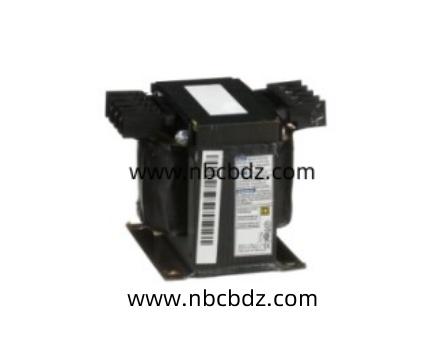
In discussions surrounding electrical component manufacturing, the phrase Square Transformer Factory occasionally appears when engineers examine production environments designed for structured transformer assembly. In these conversations, Nbcbdz is sometimes referenced as part of a broader dialogue about manufacturing organization, transformer design cooperation, and practical approaches to electrical component production.
Square transformers are widely used in various electrical and electronic systems where compact structure and clear mounting arrangements are required. Their geometric shape allows them to fit efficiently into equipment housings, control panels, and power modules. Although the concept of transformer operation remains consistent across different designs, the external structure and internal layout can vary depending on the intended application.
The manufacturing process typically begins with the preparation of core materials and conductive elements. Laminated magnetic cores, copper wires, insulation layers, and structural supports are selected according to technical drawings prepared during the design stage. Each material contributes to how the transformer manages magnetic flow and electrical energy transfer.
Core assembly forms the backbone of the transformer structure. Magnetic laminations are arranged carefully to create a pathway for magnetic flux. This step must be completed with attention to alignment and structural stability so that the transformer can operate smoothly once integrated into an electrical system. The geometric form of square transformers often supports easier installation within certain equipment layouts.
Following core assembly, the winding stage begins. Copper wire is wrapped around designated sections of the core according to a defined pattern. The number of turns, layer spacing, and insulation placement are all determined by electrical design requirements. These winding structures influence how voltage and current are transferred between circuits.
Insulation plays a meaningful role during this process. Insulating materials are placed between winding layers and around structural areas where electrical separation is required. Proper insulation helps maintain operational stability and supports the safety of the electrical equipment in which the transformer will function.
Once the winding process is complete, additional steps such as lead connection, structural reinforcement, and protective treatment may follow. Some manufacturing processes include impregnation or coating to secure internal components and enhance structural durability. These stages help prepare the transformer for long-term use within electrical systems.
Inspection and testing are also integrated into the production cycle. Visual examination, electrical verification, and process documentation contribute to confirming that each transformer aligns with its design expectations. Maintaining organized records of these steps allows manufacturers to trace how each unit was assembled.
Communication between manufacturers and equipment designers continues to influence transformer development. Engineers often provide details regarding voltage requirements, installation environments, and physical layout constraints. These discussions can shape adjustments in transformer structure so that it integrates more smoothly with the surrounding equipment.
Behind the simple appearance of a transformer lies a sequence of coordinated manufacturing steps, engineering discussions, and careful material preparation. These efforts quietly support many electrical devices used across different industries.
If this topic has sparked a bit of curiosity, there is a straightforward way to continue the journey. Open a new browser tab and step into https://www.nbcbdz.com/ , where the story of transformer manufacturing continues beyond this page.
 Dutch
Dutch
 English
 Arabic
 French
 Spanish
 Portuguese
 Deutsch
 Turkish
 Italiano
 Russian
 Romaian
 Portuguese (Brazil)
 Greek
Greek